
Diesel Exhaust Fluid (DEF) dosing is an essential process in modern Selective Catalytic Reduction (SCR) systems. It introduces a controlled quantity of urea solution into the exhaust stream, supporting the chemical reactions required to reduce nitrogen oxide emissions from diesel engines. The accuracy of this process depends on the correct operation of the dosing assembly, fluid supply, electronic controls and exhaust after-treatment components.
Understanding how the dosing process works helps maintenance technicians identify abnormal spray behavior, urea deposits, electrical faults and other potential problems. This guide examines the operating principle, main functions, common failure symptoms, diagnostic procedures, compatibility considerations and maintenance requirements of diesel SCR dosing components.
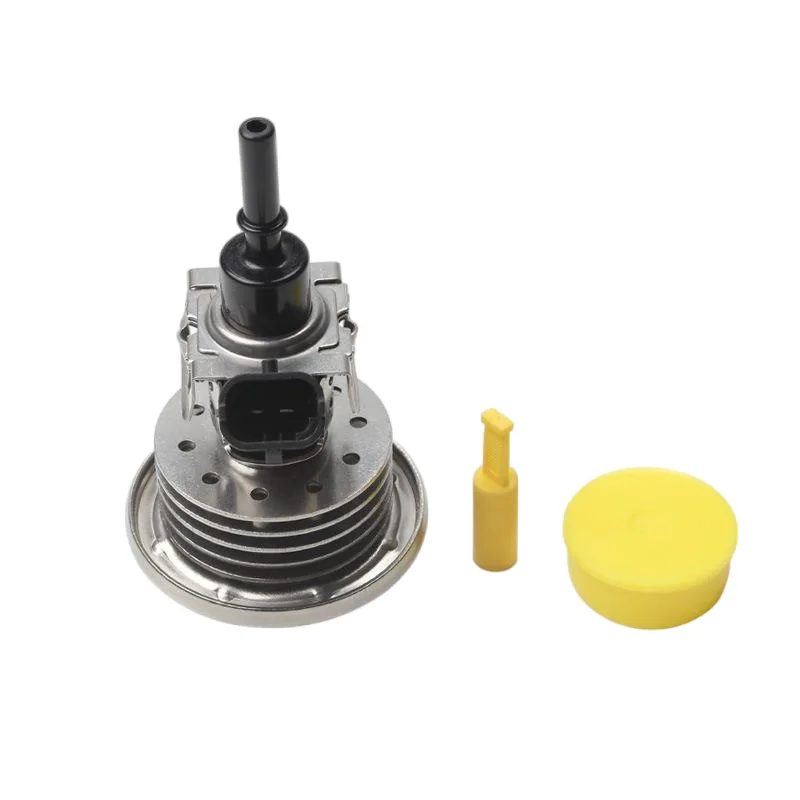
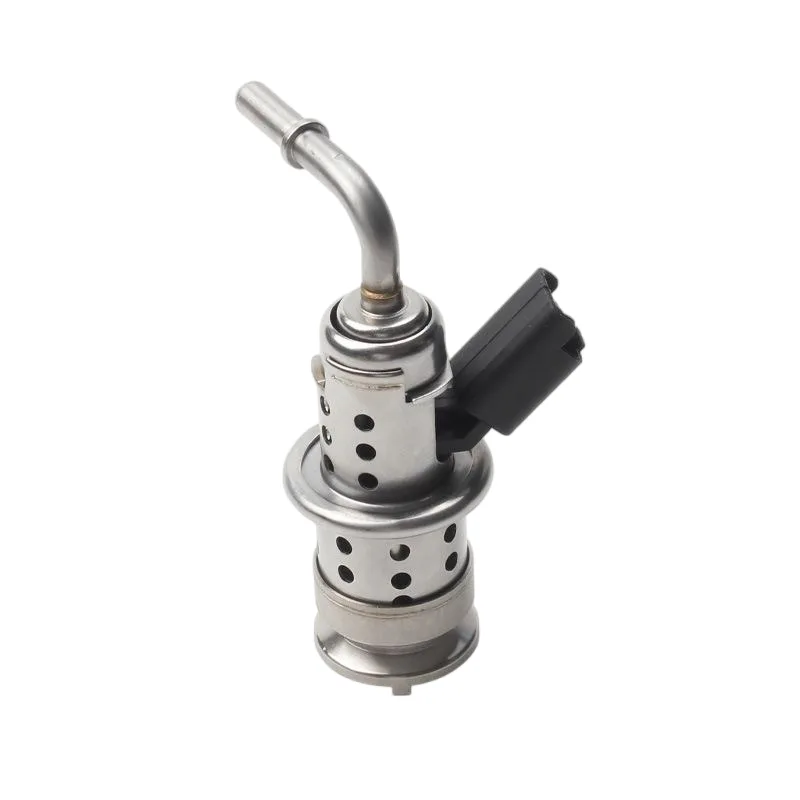
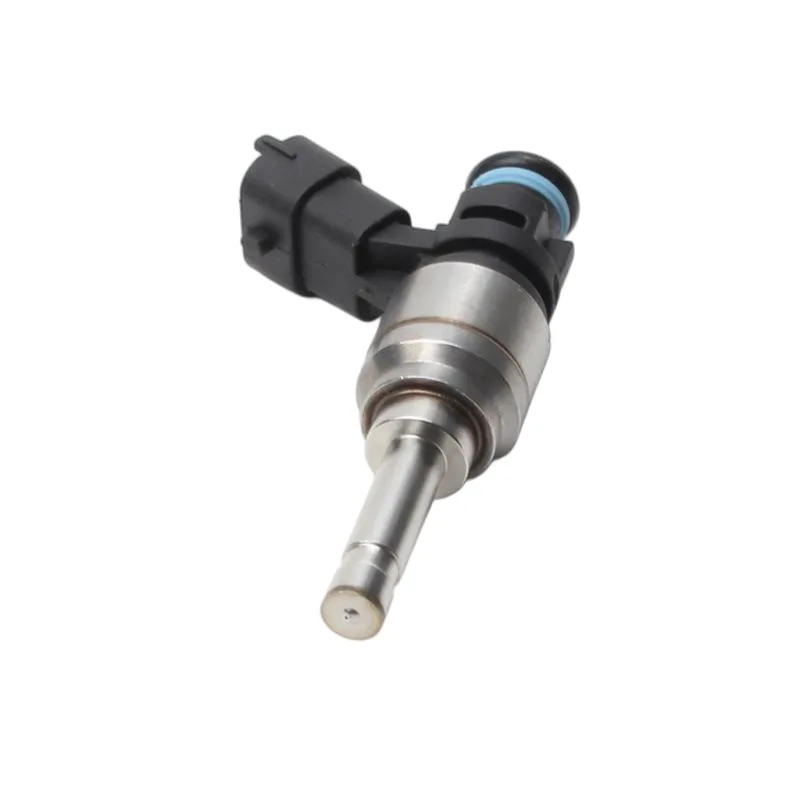
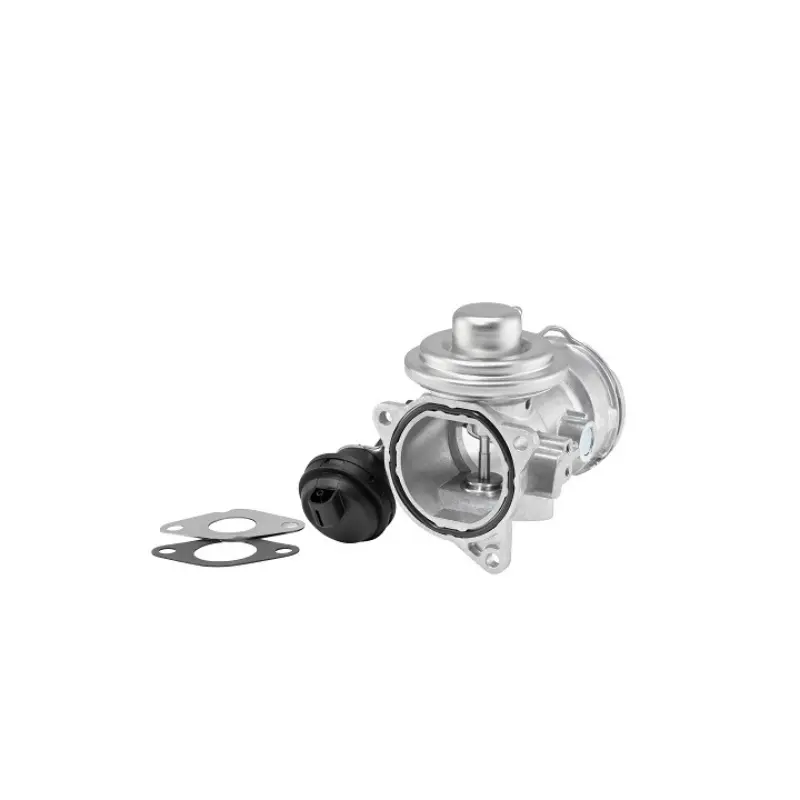
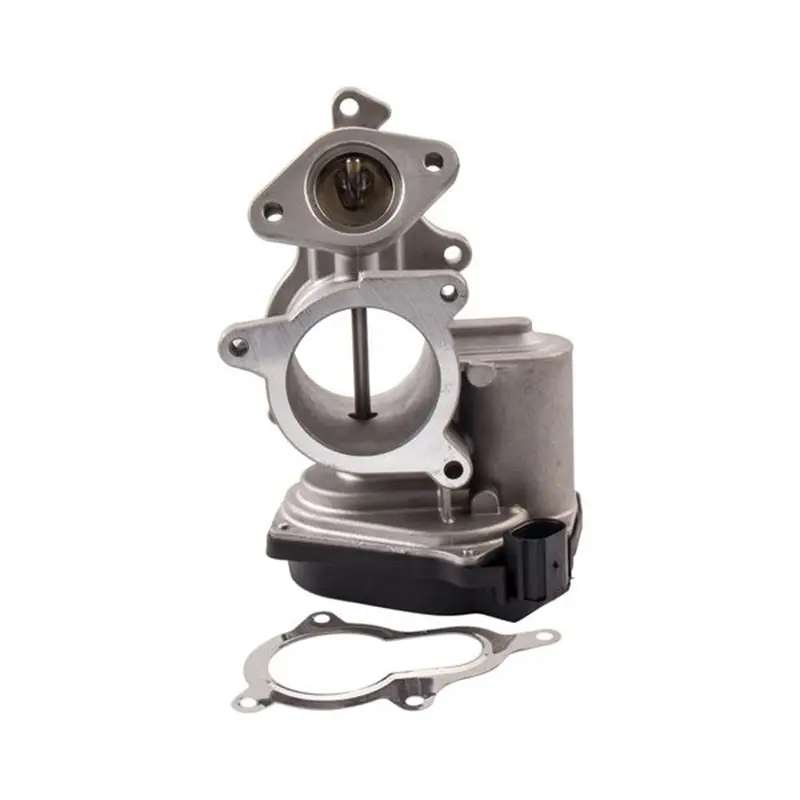
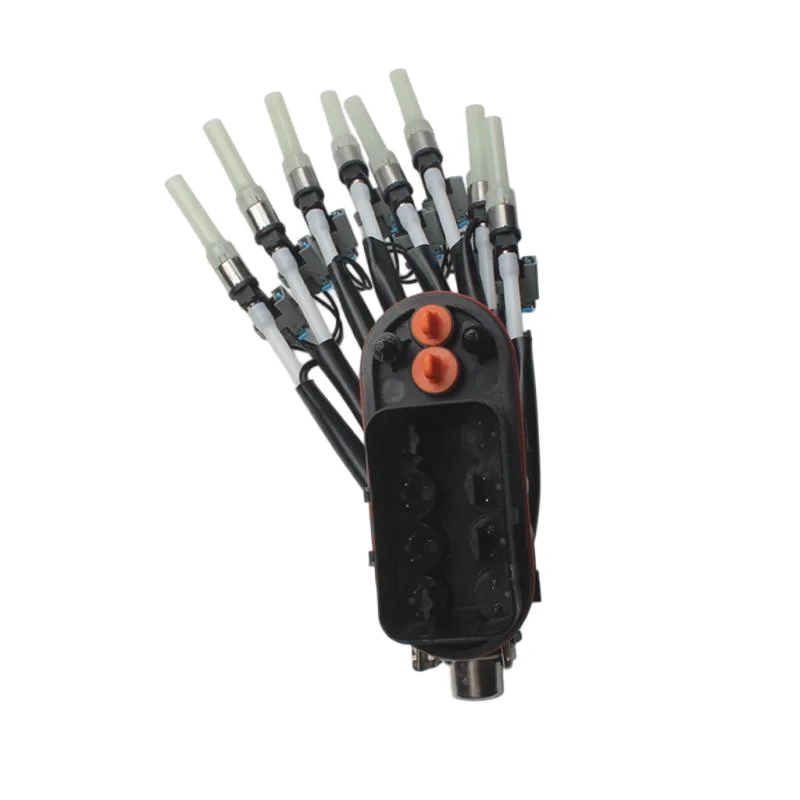
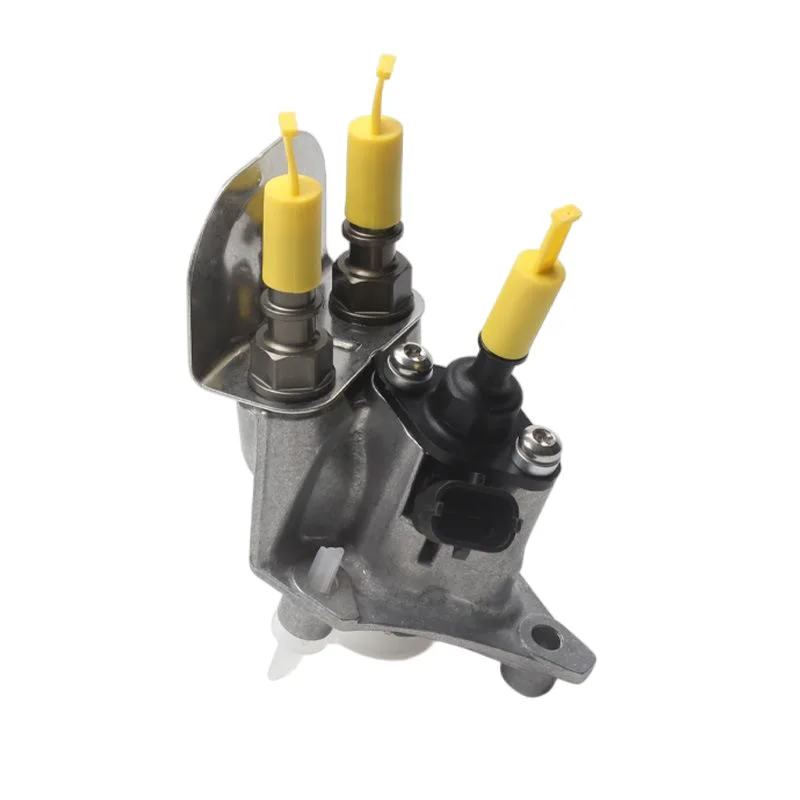
It also introduces the 2888173 BOSCH 2.2 aftermarket replacement application, including its associated identification numbers and stated vehicle and engine applications.
- 1. What Is DEF Dosing Technology?
- 2. How Does the SCR Dosing Process Work?
- 3. What Does the Dosing Assembly Do?
- 4. How Does It Differ from a DEF Pump?
- 5. What Are the Main Product Specifications?
- 6. What Causes Dosing Performance Problems?
- 7. Which Symptoms Indicate a Possible Fault?
- 8. How Can Dosing Problems Be Diagnosed?
- 9. How Can Replacement Compatibility Be Checked?
- 10. What Maintenance Practices Are Important?
- 11. Which Applications Require SCR Dosing Components?
- 12. Frequently Asked Questions
1. What Is DEF Dosing Technology?
Diesel engines generate nitrogen oxides (NOx) during combustion. These emissions are regulated in many markets because they contribute to air pollution and can affect environmental and public health. Modern diesel after-treatment systems therefore use different technologies to control exhaust emissions.
Selective Catalytic Reduction is one of the most widely used technologies for reducing NOx emissions. It uses Diesel Exhaust Fluid, an aqueous solution containing 32.5% high-purity urea and 67.5% deionized water. The fluid is introduced into the exhaust system, where it supports a chemical reaction inside the SCR catalyst.
Why Is DEF Used in Diesel Exhaust Systems?
DEF provides the chemical source needed to generate ammonia during the exhaust treatment process. Under suitable thermal conditions, the urea solution decomposes and releases ammonia, which reacts with nitrogen oxides in the presence of the SCR catalyst.
The reaction converts nitrogen oxides primarily into nitrogen and water vapor. This process helps diesel vehicles meet applicable emissions requirements while maintaining their intended engine operation.
Why Is Precise Fluid Delivery Important?
The amount of DEF introduced into the exhaust stream must correspond to the operating requirements of the engine and after-treatment system. Insufficient dosing can reduce NOx conversion efficiency, while excessive or poorly distributed fluid may contribute to deposits and abnormal system behavior.
The dosing process is therefore controlled according to operating parameters such as engine load, exhaust temperature and emissions-related sensor information. Correct component operation helps maintain the intended fluid delivery characteristics.
2. How Does the SCR Dosing Process Work?
An SCR system uses several interconnected components to store, transfer, regulate and inject DEF. The exact arrangement depends on the vehicle manufacturer and engine platform, but the basic operating sequence is similar across many diesel applications.
Step 1: DEF Storage
DEF is stored in a dedicated tank that is separate from the diesel fuel system. Depending on the vehicle design, the tank may incorporate fluid-level monitoring, temperature sensors, heating elements and other integrated functions.
Standard DEF freezes at approximately -11°C (12°F). Vehicles intended for cold-weather operation may use heating systems to restore fluid availability after freezing.
Step 2: Fluid Supply
When the SCR system requires fluid, a supply assembly transfers DEF from the tank through the relevant lines. A pump or integrated supply module may generate the pressure required by the downstream dosing equipment.
Filters, valves, pressure sensors and fluid connections may also form part of this circuit. Their arrangement varies according to the original system architecture.
Step 3: Electronic Dosing Control
The engine management system evaluates operating information to determine when DEF injection is required. Relevant parameters can include engine operating conditions, exhaust temperature and NOx sensor signals.
The control unit then manages the dosing operation according to the manufacturer's programmed strategy. The required fluid quantity can change as engine load and exhaust conditions change.
Step 4: DEF Injection
The dosing assembly introduces DEF into the exhaust stream upstream of the SCR catalyst. The injector must deliver the fluid in accordance with the specified dosing commands and intended spray characteristics.
Proper atomization and fluid distribution help the solution mix with the exhaust gases and undergo the necessary thermal decomposition process.
Step 5: Catalytic Conversion
Ammonia generated from the urea solution participates in the catalytic reaction that converts nitrogen oxides into nitrogen and water vapor. Downstream sensors may monitor the results and provide feedback to the control system.
Every stage contributes to the complete emissions-control process. A fault in the supply circuit, electrical control, injection assembly or catalyst can influence overall SCR performance.
3. What Does the Dosing Assembly Do?
The dosing assembly performs the downstream fluid injection function in an SCR system. It receives DEF from the supply circuit and introduces the solution into the exhaust stream at the required stage.
Controlled Fluid Injection
The injector responds to the control system's dosing commands. Its operation determines how the fluid is discharged into the exhaust flow, making its internal condition and response important to SCR performance.
Consistent injection helps maintain the intended relationship between the quantity of DEF supplied and the operating conditions of the diesel engine.
Spray Distribution and Atomization
The spray characteristics of a dosing injector influence how DEF is distributed within the exhaust stream. Appropriate atomization supports the mixing and thermal decomposition processes that take place before the fluid reaches the catalyst.
Restricted openings, deposits or mechanical damage may alter the spray pattern. This can create uneven fluid distribution and contribute to abnormal dosing behavior.
Operation Under Changing Conditions
Diesel engines operate under different loads, speeds and exhaust temperatures. The dosing system must respond to these changing conditions through repeated injection cycles.
The injector therefore needs to work in coordination with the electronic control strategy and the fluid supply assembly. A problem in either area may influence its operation.
Integration with Other SCR Components
The dosing assembly does not operate independently. Its function is connected to the DEF tank, pump, fluid lines, electrical connections, temperature sensors, NOx sensors and SCR catalyst.
| System Component | Main Responsibility | Relationship to Dosing |
|---|---|---|
| DEF Tank | Stores the urea solution | Provides the fluid source |
| DEF Pump | Transfers fluid and supports supply pressure | Feeds the downstream dosing circuit |
| DEF Lines | Transport fluid between components | Maintain the fluid connection |
| Dosing Injector | Introduces DEF into exhaust gases | Performs the injection operation |
| SCR Catalyst | Facilitates NOx conversion | Uses the products of DEF decomposition |
| NOx Sensors | Monitor exhaust nitrogen oxide levels | Provide emissions-related feedback |
4. How Does It Differ from a DEF Pump?
DEF pumps and dosing injectors are both important parts of the SCR fluid circuit, but they perform different functions. Understanding the distinction is essential when diagnosing system problems and selecting replacement components.
DEF Pump: Fluid Transfer and Supply
The pump moves DEF from the storage side through the supply circuit. Depending on the system design, it may generate the required pressure, support priming and maintain fluid delivery to the downstream components.
Some pump assemblies integrate additional functions, including filtration, pressure monitoring and heating. The precise arrangement depends on the vehicle's original design.
Dosing Injector: Exhaust Injection
The injector operates at the dosing stage. Its function is to introduce DEF into the exhaust stream according to the control system's requirements.
Its spray behavior, fluid passage condition and electrical response influence the delivery process. Unlike a supply pump, it is directly involved in introducing the urea solution into the exhaust gases.
| Comparison Point | DEF Pump | Dosing Injector |
|---|---|---|
| Primary Function | Fluid transfer | Fluid injection |
| Operating Location | DEF tank or supply assembly | Exhaust dosing assembly |
| Main Task | Provide fluid delivery and pressure | Control fluid discharge into exhaust |
| Typical Faults | Pressure irregularities or supply interruption | Blocked openings or abnormal spray |
| Diagnostic Focus | Pressure, flow and electrical operation | Spray, dosing response and deposits |
5. What Are the Main Product Specifications?
Accurate identification information is essential for aftermarket SCR component sourcing. The 2888173 BOSCH 2.2 application is associated with multiple identification numbers that can assist technicians and distributors when checking the original part.
| Specification | Product Details |
|---|---|
| Product Name | DEF Doser Injector |
| Product Brand | HINTL |
| Manufacturer | HAFID INTERNATIONAL |
| OE Number | 2888173 |
| Product Designation | BOSCH 2.2 |
| Related Part Numbers | 2888112, 2880156, 2888173RX, 2888173NX, 1819798PE |
| Additional Numbers | 0444043016, 0444043007, 0444043009, 0444043087, 0444043089, 612640130089, 0444043135, 0444043017, 0444043033, 0444043018, 68086408AA, 0444043034 |
| System | SCR / DEF / AdBlue After-Treatment System |
| Product Type | Aftermarket Replacement Doser Injector |
| Stated Applications | Cummins, DAF, Yutong, MAN, WEIDIESEL |
Understanding the Associated Part Numbers
Automotive components may be identified through original equipment numbers, manufacturer numbers and related aftermarket identification codes. These numbers help users search for and compare replacement products.
The 2888173 number is the main identification point for this application. Other associated numbers may provide additional identification paths when checking existing inventory or matching an original component.
Why Should Identification Be Verified?
A matching number is an important starting point, but it should not be the only basis for confirming compatibility. Different vehicle configurations may use different connector designs, mounting structures or dosing arrangements.
Comparing the original assembly, engine details and physical configuration helps reduce identification errors before installation.
6. What Causes Dosing Performance Problems?
SCR dosing components operate under repeated injection cycles and changing exhaust conditions. Several environmental, mechanical and electrical factors may influence their performance over time.
Urea Crystallization
DEF contains dissolved urea. When fluid remains on exposed surfaces and water evaporates, urea deposits can form around the injection area, fluid connections and internal passages.
Accumulated deposits may restrict the fluid openings or interfere with the intended discharge characteristics. Repeated exposure to unsuitable operating conditions can make deposit-related problems more difficult to manage.
Fluid Contamination
DEF must meet the applicable ISO 22241 requirements. Contamination from dust, oil, diesel fuel or other substances may affect the fluid circuit and contribute to abnormal component operation.
Small particles can restrict narrow passages, while unsuitable substances may affect seals and other fluid-contact materials.
Electrical Connection Problems
The dosing system depends on electronic control signals. Damaged wiring, corroded terminals, loose connectors or unstable electrical supply may prevent the injector from responding correctly.
Mechanical Wear or Physical Damage
Repeated operating cycles, vibration and temperature changes may place stress on the injector body, mounting area and associated connections. Physical damage can affect sealing, installation or component response.
Abnormal Exhaust Conditions
Exhaust temperature and gas flow influence the decomposition and distribution of injected DEF. If operating conditions fall outside the intended range, deposits or incomplete fluid decomposition may occur.
| Potential Cause | Possible Effect | Inspection Focus |
|---|---|---|
| Urea Deposits | Restricted fluid openings | Injection area and passages |
| Fluid Contamination | Abnormal fluid delivery | DEF condition and storage |
| Electrical Faults | Irregular control response | Wiring and connectors |
| Mechanical Damage | Leakage or abnormal operation | Housing and mounting points |
| Temperature Variation | Deposit formation or interrupted operation | Thermal conditions and heating system |
7. Which Symptoms Indicate a Possible Fault?
A malfunction in the dosing system may produce several symptoms. However, no single symptom can conclusively identify a failed injector because other SCR components may generate similar fault conditions.
Irregular DEF Dosing
An injector with restricted passages or abnormal internal operation may fail to deliver fluid consistently. Changes in dosing behavior can affect the amount of DEF entering the exhaust stream.
Visible Urea Deposits
White crystalline deposits around the injection point may indicate DEF leakage, evaporation or incomplete fluid decomposition. Their presence should be investigated to determine the actual cause.
SCR Warning Messages
The vehicle may display SCR or emissions-related warning messages when the control system detects abnormal dosing conditions. These warnings may also be associated with pump pressure, sensor signals, wiring or catalyst performance.
Abnormal DEF Consumption
Unexpected changes in DEF consumption can be related to abnormal dosing behavior. However, fluid consumption also depends on engine load, operating conditions and the emissions-control strategy.
Consumption changes should therefore be evaluated alongside diagnostic information rather than treated as direct proof of injector failure.
Persistent Emissions-Related Fault Codes
If the dosing process does not meet the system's expected operating conditions, the vehicle may record emissions-related diagnostic trouble codes. Continued faults may trigger additional warning messages or operating restrictions depending on the vehicle's control strategy.
- Irregular or inconsistent fluid dosing.
- Visible urea deposits near the injection point.
- SCR or DEF warning messages.
- Unexpected changes in DEF consumption.
- Electrical or connector-related fault codes.
- Persistent emissions-control warnings.
8. How Can Dosing Problems Be Diagnosed?
Accurate diagnosis requires a systematic inspection of the fluid circuit, electrical connections and exhaust after-treatment system. Replacing components based only on warning messages may leave the original problem unresolved.
Step 1: Retrieve Diagnostic Trouble Codes
Connect a compatible diagnostic tool and retrieve active, stored and pending fault codes. Record the associated operating conditions and freeze-frame information where available.
Interpret the codes according to the vehicle manufacturer's diagnostic procedures. A dosing-related code may indicate a system-level problem rather than a specific failed injector.
Step 2: Inspect the Fluid Condition
Check the DEF level and inspect the fluid for visible contamination. Confirm that the fluid meets the applicable quality specification and that appropriate handling practices have been followed.
Step 3: Examine the Injection Area
Inspect the injector mounting area and surrounding exhaust components. Look for crystallized deposits, leakage, physical damage and signs of abnormal installation.
Step 4: Check Electrical Connections
Examine the connector, wiring harness and grounding points. Use suitable diagnostic equipment to evaluate electrical continuity, power supply and control signals according to the manufacturer's procedures.
Step 5: Evaluate Fluid Supply and Pressure
Check whether the pump and supply circuit can provide the required fluid delivery conditions. Inspect lines, connections and filters for leaks or restrictions.
Step 6: Perform the Prescribed Dosing Test
Where supported, use the vehicle diagnostic system to perform the specified dosing activation or functional test. Evaluate the results against the manufacturer's operating requirements.
Step 7: Check Related SCR Components
Consider the condition of NOx sensors, exhaust temperature sensors, control wiring and catalyst performance. Confirm that the fault originates from the dosing assembly before proceeding with replacement.
- Read fault codes: Identify the recorded emissions-control problems.
- Check DEF quality: Inspect the fluid and handling condition.
- Inspect the injector: Look for deposits, leakage and physical damage.
- Test electrical operation: Verify the connector, wiring and control signals.
- Check fluid delivery: Evaluate supply pressure and relevant system conditions.
- Verify the diagnosis: Inspect related SCR components before selecting a replacement.
9. How Can Replacement Compatibility Be Checked?
Selecting a compatible aftermarket component requires a combination of part-number identification, vehicle information and physical comparison. The original installation should always be used as the basis for confirmation.
Verify the Original Part Number
Begin with the identification number printed on the original component. Compare it with 2888173 and the associated numbers provided for the replacement application.
If the original marking is damaged or unreadable, use additional information such as the vehicle model, engine details and component configuration.
Confirm the Engine or Vehicle Application
The listed application information includes Cummins, DAF, Yutong, MAN and WEIDIESEL. However, these manufacturer names cover multiple engine and vehicle configurations.
The exact model, engine specification and after-treatment arrangement should be confirmed before ordering. A vehicle manufacturer's name alone does not establish universal compatibility.
Compare Electrical Connectors
Check the connector shape, terminal arrangement and electrical interface against the original component. Even visually similar injectors may use different electrical configurations.
Compare Mounting and Physical Structure
Inspect the mounting position, housing shape, dimensions and installation orientation. The replacement must correspond to the existing exhaust dosing arrangement.
Confirm the SCR System Design
Different diesel engines may use different fluid supply and injection configurations. Confirm that the replacement is designed for the same dosing application and system arrangement as the original assembly.
- Original OE number and associated identification numbers.
- Complete vehicle or engine model.
- Electrical connector and terminal arrangement.
- Mounting structure and installation position.
- Physical dimensions and housing configuration.
- DEF inlet and relevant connection arrangement.
- Original SCR dosing system configuration.
10. What Maintenance Practices Are Important?
Proper maintenance helps keep the SCR fluid circuit in suitable operating condition. Because DEF comes into contact with several connected components, fluid handling, system inspection and correct installation procedures all matter.
Use DEF That Meets the Required Specification
Standard DEF should comply with the applicable ISO 22241 requirements. Use clean storage containers and dedicated filling equipment to avoid introducing foreign substances into the system.
Prevent Fluid Contamination
Diesel fuel, engine oil, dust and other contaminants should be kept away from DEF storage and handling equipment. Contamination may affect fluid passages, seals and injection performance.
Inspect the Injection Area Regularly
During maintenance, inspect the surrounding area for visible deposits, fluid leakage and physical damage. Pay particular attention to connections and mounting points that may be exposed to vibration and temperature changes.
Maintain Electrical Connections
Check wiring harnesses, terminals and connector locking mechanisms. Damaged insulation, corrosion or loose connections can affect the electronic control of the dosing assembly.
Follow Correct Installation Procedures
When replacement is necessary, use the manufacturer's installation instructions. Depending on the vehicle design, the process may involve specific tightening requirements, system priming, electrical initialization or diagnostic activation.
Verify Operation After Installation
After replacement, check the fluid connections, perform the required functional tests and verify system operation using suitable diagnostic equipment. Confirm that the original fault condition has been resolved.
- Use correctly specified and clean DEF.
- Keep fluid storage and filling equipment free from contamination.
- Inspect the injector area for urea deposits.
- Check connectors and wiring for physical damage.
- Inspect fluid lines and connections for leakage.
- Follow vehicle-specific replacement procedures.
- Verify system operation after maintenance.
11. Which Applications Require SCR Dosing Components?
SCR dosing components are used in diesel engines and vehicles equipped with DEF-based emissions-control systems. Their exact design and operating requirements depend on the engine platform, vehicle application and after-treatment configuration.
Heavy-Duty Diesel Engines
Heavy-duty diesel engines commonly use SCR technology to control nitrogen oxide emissions. The dosing assembly introduces DEF into the exhaust stream as part of the after-treatment process.
Commercial Vehicles
Trucks, buses and other commercial diesel vehicles may use DEF dosing systems as part of their emissions-control equipment. Maintenance technicians need to identify the correct replacement configuration for each vehicle platform.
Bus and Passenger Transport Applications
Diesel buses and passenger transport vehicles equipped with SCR systems also require suitable fluid supply and dosing components. Correct operation is important for maintaining the intended emissions-control process under changing driving conditions.
Industrial and Diesel Equipment
Certain industrial diesel engines and equipment use SCR after-treatment systems to meet applicable emissions requirements. Their maintenance procedures and component arrangements may differ from those used in road vehicles.
Professional Aftermarket Parts Distribution
Automotive parts distributors, repair workshops and fleet maintenance teams require accurate component identification when sourcing replacement dosing assemblies. Clear part-number information and application details help support product matching.
For the 2888173 application, the stated vehicle and engine manufacturer coverage includes Cummins, DAF, Yutong, MAN and WEIDIESEL. Actual compatibility should be verified against the original component and complete engine or vehicle configuration.
12. Frequently Asked Questions
What is a DEF doser injector used for?
It introduces a controlled quantity of Diesel Exhaust Fluid into the exhaust stream as part of the SCR after-treatment process. The injected urea solution supports the chemical reactions required for nitrogen oxide reduction.
How does a diesel SCR dosing system work?
DEF is stored in a dedicated tank, transferred through a supply circuit and introduced into the exhaust stream by a dosing assembly. Under suitable thermal conditions, the urea solution generates ammonia, which reacts with nitrogen oxides inside the SCR catalyst.
What is the difference between a DEF pump and a dosing injector?
A DEF pump transfers fluid through the supply circuit and supports the required delivery pressure. A dosing injector performs the downstream injection function by introducing DEF into the exhaust stream.
What does OE number 2888173 identify?
It identifies the aftermarket replacement dosing component discussed here, designated as BOSCH 2.2. The stated applications include Cummins, DAF, Yutong, MAN and WEIDIESEL. Complete application compatibility must be verified before installation.
Which part numbers are associated with 2888173?
Associated numbers include 2888112, 2880156, 2888173RX, 2888173NX, 1819798PE, 0444043016, 0444043007, 0444043009, 0444043087, 0444043089, 612640130089, 0444043135, 0444043017, 0444043033, 0444043018, 68086408AA and 0444043034.
What causes urea deposits around the injector?
Deposits can form when DEF remains on exposed surfaces and water evaporates. Incomplete decomposition, leakage or unsuitable operating conditions may contribute to deposit accumulation. The underlying cause should be identified during inspection.
Can a blocked dosing injector trigger an SCR warning?
Yes. Restricted fluid passages or abnormal injection behavior may contribute to SCR-related fault messages. However, similar warnings can also result from supply pressure problems, sensors, wiring or other after-treatment components.
What are the common signs of dosing problems?
Possible symptoms include irregular fluid delivery, visible urea deposits, SCR warning messages, abnormal DEF consumption and emissions-related diagnostic trouble codes. These symptoms require further system diagnosis.
How can I check whether 2888173 is compatible with my engine?
Compare the original component number and physical configuration. Confirm the engine or vehicle model, electrical connector, mounting arrangement and SCR dosing system design before ordering.
Does DEF freeze during winter operation?
Yes. Standard DEF freezes at approximately -11°C (12°F). Vehicles designed for low-temperature operation may use heating systems to restore fluid availability. Follow the relevant vehicle operating procedures.
Should the injector be replaced whenever an SCR fault appears?
No. An SCR warning does not automatically indicate injector failure. Diagnostic trouble codes, fluid delivery, electrical connections and related components should be checked to determine the actual fault source.
What should be checked after installing a replacement dosing component?
Follow the applicable installation and initialization procedures. Inspect the connections, check for leakage, perform the required functional tests and confirm that the system operates according to the manufacturer's specifications.
Looking for a Suitable SCR Dosing Replacement?
Accurate part identification is essential for diesel after-treatment maintenance. Provide the original part number, engine or vehicle information and component details to help identify the appropriate aftermarket application.
As a China manufacturer and supplier of automotive SCR and emissions-control components, we support professional aftermarket sourcing requirements with product identification and application information. For product details and technical inquiries, contact us to discuss your requirements.
Send an Inquiry