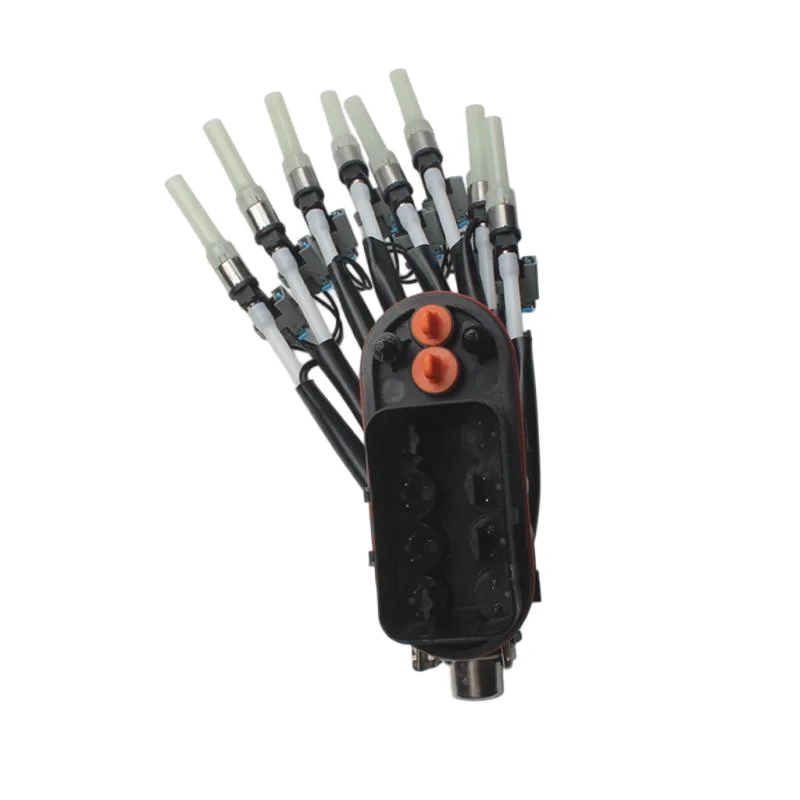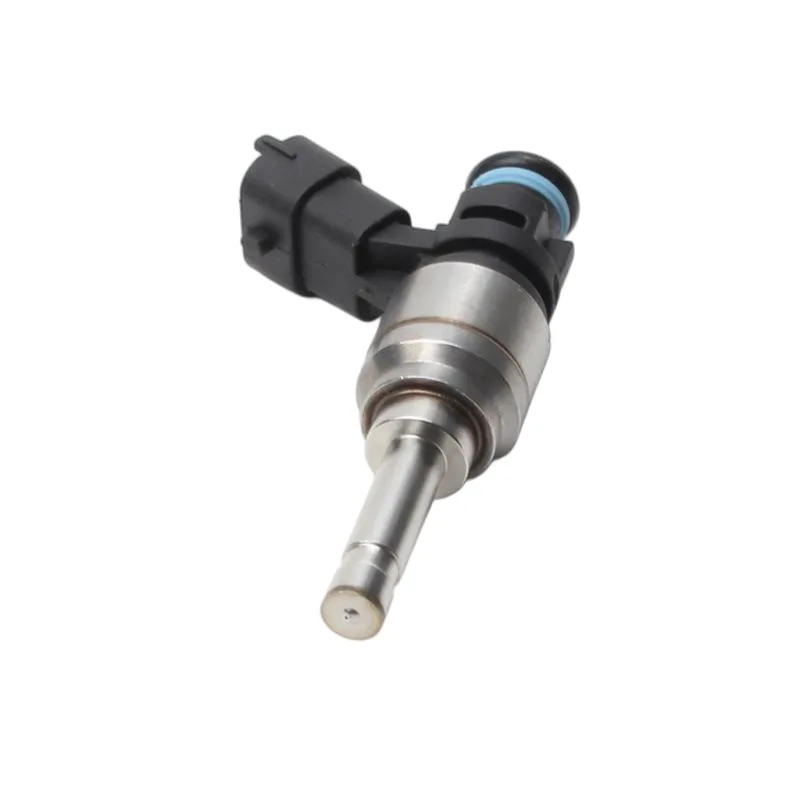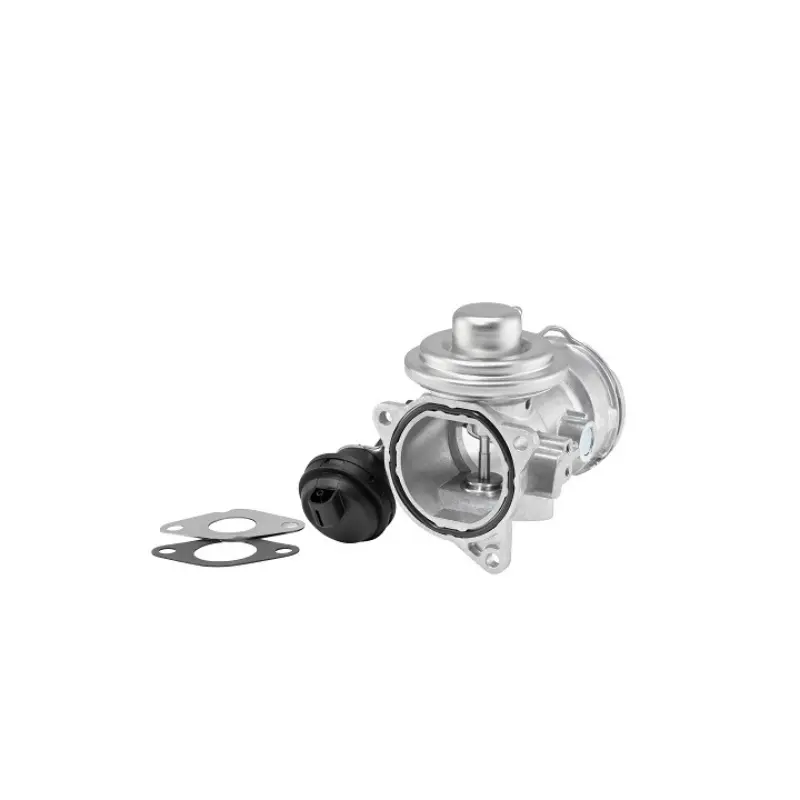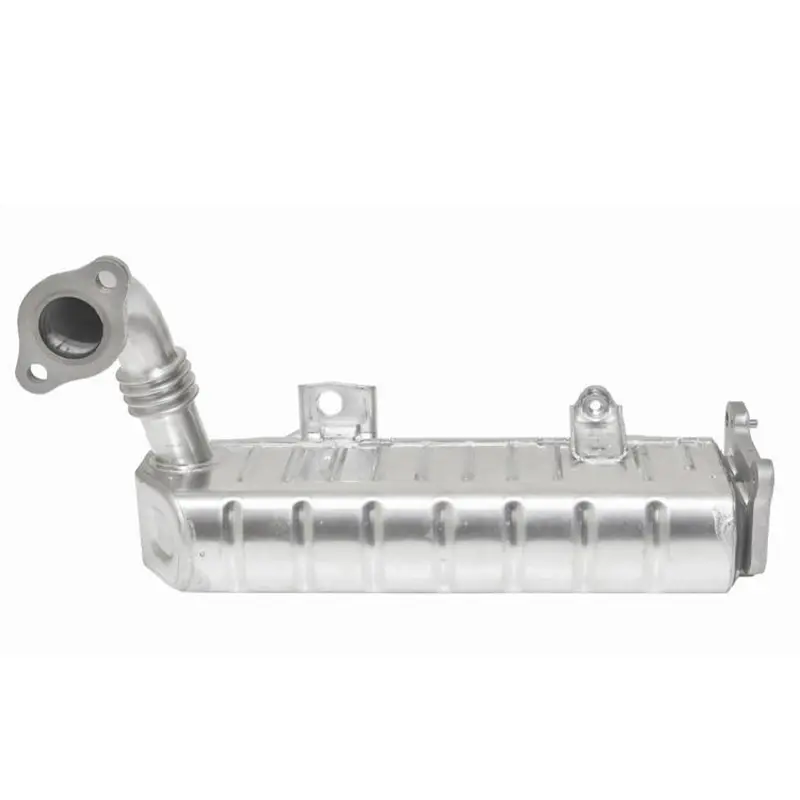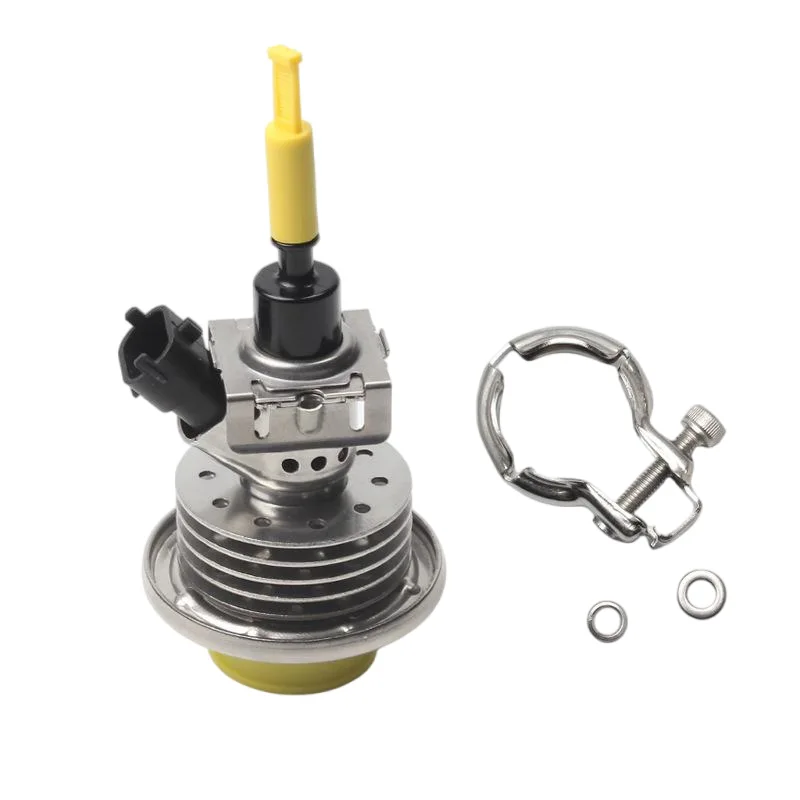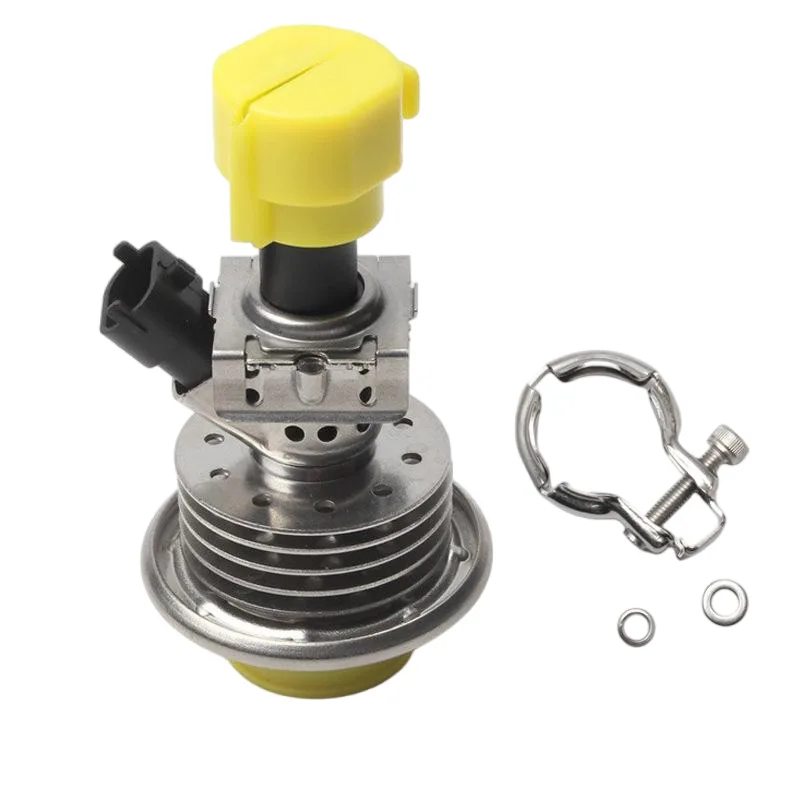

Diesel Exhaust Fluid (DEF) plays an essential role in Selective Catalytic Reduction (SCR) technology, helping diesel engines reduce nitrogen oxide (NOx) emissions. The components responsible for storing, supplying and dosing this fluid must work together to maintain the correct after-treatment process. Understanding their functions is important when diagnosing system faults and selecting replacement parts.
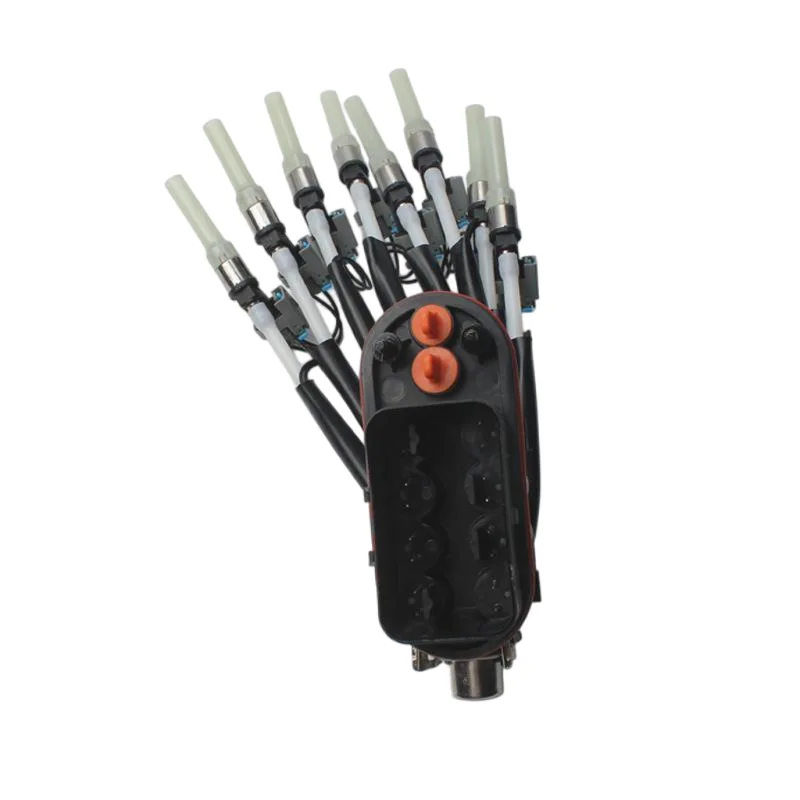
This guide explains the operating principles of DEF delivery, the relationship between pumps and injectors, common failure symptoms, maintenance considerations and replacement compatibility. It also examines the 89060440 component, its associated identification numbers and its stated applications for Chevrolet, GMC and Cadillac vehicles.
- 1. Understanding DEF and SCR Technology
- 2. How the DEF Supply and Dosing Process Works
- 3. Pump and Injector Functions Explained
- 4. Key Component Specifications
- 5. Common Signs of DEF System Problems
- 6. Factors That Affect Component Performance
- 7. How to Diagnose DEF Delivery Problems
- 8. Replacement and Compatibility Checks
- 9. Installation and Maintenance Considerations
- 10. Choosing an Aftermarket Replacement
- 11. Applications and Maintenance Scenarios
- 12. Frequently Asked Questions
1. Understanding DEF and SCR Technology
Modern diesel engines use exhaust after-treatment technologies to control emissions generated during combustion. One widely adopted solution is Selective Catalytic Reduction, commonly known as SCR. This technology uses a specially formulated fluid to support chemical reactions that reduce nitrogen oxides in the exhaust stream.
Diesel Exhaust Fluid is an aqueous urea solution consisting of 32.5% high-purity urea and 67.5% deionized water. It is also commonly called AdBlue in markets where that name is used. DEF is stored separately from diesel fuel and is delivered into the exhaust system through a dedicated fluid circuit.
What Happens During the SCR Process?
When the engine operates, exhaust gases pass through the after-treatment system. DEF is introduced into the exhaust stream upstream of the SCR catalyst. Under suitable thermal conditions, the urea solution decomposes and forms ammonia, which participates in a catalytic reaction with nitrogen oxides.
The SCR catalyst facilitates the conversion of nitrogen oxides into nitrogen and water vapor. These substances are naturally present in the environment, making the process an important part of modern diesel emissions management.
Why Is Accurate DEF Delivery Important?
The SCR system depends on an appropriate amount of DEF being supplied at the correct operating stage. Insufficient delivery may reduce the effectiveness of NOx conversion, while excessive or poorly controlled dosing can contribute to deposits and other after-treatment problems.
For this reason, DEF storage, fluid supply, electrical control, dosing and exhaust monitoring must operate as a coordinated system. A problem in one component can affect the performance of several connected functions.
2. How the DEF Supply and Dosing Process Works
A DEF system consists of several connected components that manage fluid storage, movement, pressure, injection and monitoring. Although the exact arrangement differs between vehicle manufacturers and engine configurations, the general operating principle remains similar.
Step 1: DEF Storage
DEF is stored in a dedicated tank designed for urea solution. The tank may incorporate a level sensor, temperature sensor, heating elements and other monitoring devices, depending on the vehicle design.
The fluid must remain within the required quality and temperature conditions. DEF freezes at approximately -11°C (12°F). Vehicle systems designed for cold-weather operation may therefore include heating functions to restore fluid availability after freezing.
Step 2: Fluid Supply
When the SCR system requires DEF, the supply assembly moves fluid from the storage area through the relevant lines. A pump or integrated supply module may regulate the fluid pressure and support circulation within the system.
The supply process must account for operating conditions, system pressure requirements and the control strategy used by the engine management system.
Step 3: Fluid Preparation and Delivery
Depending on the system architecture, DEF may pass through filters, internal passages, connectors and pressure-control components before reaching the dosing assembly. These elements help maintain the required fluid delivery conditions.
Step 4: Dosing and Injection
The dosing device introduces DEF into the exhaust stream. Its operation is coordinated with engine operating conditions and the SCR control strategy. The amount of fluid required can vary with exhaust temperature, engine load and measured NOx levels.
Step 5: Exhaust Treatment and Monitoring
After injection, DEF undergoes thermal decomposition and supports the chemical reaction inside the SCR catalyst. Sensors monitor system conditions and provide feedback to the control unit.
3. Pump and Injector Functions Explained
DEF Pump AdBlue Injector perform different functions within an SCR after-treatment system. Understanding this distinction helps technicians identify the source of a malfunction and prevents unnecessary replacement of unrelated components.
What Does a DEF Pump Do?
A DEF pump is responsible for moving the fluid through the supply circuit. Depending on the design, it may generate the pressure needed for downstream dosing, maintain fluid circulation and support system priming.
Some assemblies also incorporate valves, pressure sensors, heating elements or filtration components. These integrated arrangements can make diagnosis more complex because a fault may originate from one internal function rather than the entire fluid circuit.
What Does an AdBlue Injector Do?
An AdBlue injector, also called a DEF dosing injector, introduces a controlled quantity of urea solution into the exhaust stream. It is generally installed in the exhaust after-treatment assembly before the SCR catalyst.
The injector must deliver fluid according to the commands of the control system. Its spray characteristics, sealing condition and response are important to the distribution of DEF within the exhaust flow.
How Are the Two Functions Connected?
| Component | Primary Function | Typical System Position | Potential Problem |
|---|---|---|---|
| DEF Tank | Stores the urea solution | Vehicle storage area | Contamination or incorrect fluid level |
| DEF Pump | Moves fluid and supports pressure generation | Supply assembly or tank module | Insufficient pressure or interrupted supply |
| DEF Line | Transfers fluid between assemblies | Along the vehicle fluid circuit | Leakage, blockage or crystallization |
| DEF Injector | Doses DEF into the exhaust | Exhaust after-treatment assembly | Restricted flow or abnormal spray |
| SCR Catalyst | Facilitates NOx conversion | Exhaust system | Reduced catalytic performance |
| NOx Sensors | Monitor nitrogen oxide levels | Exhaust system | Incorrect monitoring signals |
Not every SCR system uses the same component layout. Some manufacturers combine multiple fluid-management functions into a single assembly, while others use separate pump and dosing units. This distinction is particularly important when ordering aftermarket replacement components.
4. Key Component Specifications
Accurate identification is essential when sourcing a replacement for an existing DEF system component. The 89060440 assembly is identified by its original equipment number and several associated identification numbers.
| Specification | Product Information |
|---|---|
| Product Name | DEF Pump AdBlue Injector |
| Product Brand | HINTL |
| Manufacturer | HAFID INTERNATIONAL |
| OE Number | 89060440 |
| Related Identification Numbers | FJ504, 217-3029, 2173029, 25340347, FJ10566, 93441235, 17114163, 4G1888, 833221028 |
| System | SCR / AdBlue / DEF After-Treatment System |
| Product Type | Aftermarket Replacement Component |
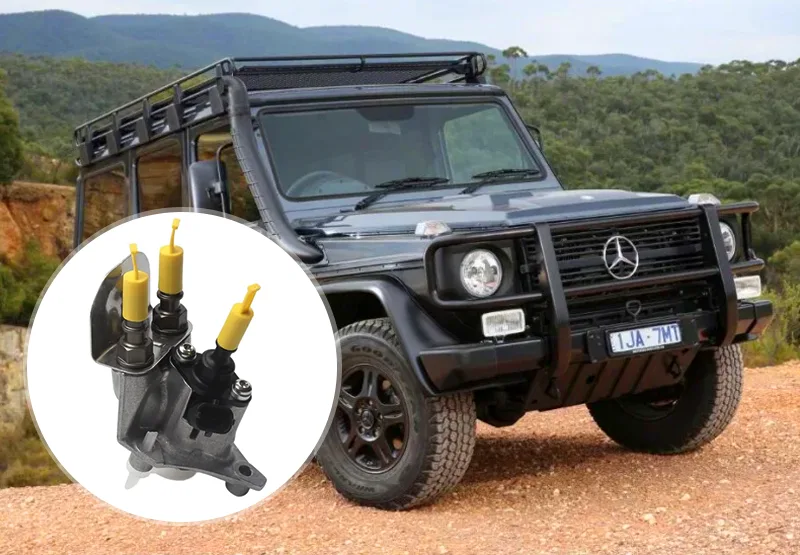
| Stated Vehicle Makes | Chevrolet, GMC, Cadillac |
Understanding Identification Numbers
Original equipment numbers are commonly used to identify automotive replacement parts. They provide a starting point for matching an existing component with a corresponding aftermarket product.
Some numbers may appear with different punctuation or formatting. For example, 217-3029 and 2173029 contain the same numerical sequence but use different formatting conventions. These variations should be considered during parts identification.
However, similar numbers do not automatically establish complete interchangeability. A matching number should be evaluated alongside the original component, vehicle configuration and installation details.
What Information Should Be Confirmed?
- OE number: Confirm the number printed on the original component.
- Physical structure: Compare the housing, overall dimensions and mounting arrangement.
- Connector: Check the electrical interface and connector configuration.
- Fluid connections: Compare the inlet, outlet and line connection positions.
- Vehicle details: Confirm the make, model, engine and applicable SCR configuration.
5. Common Signs of DEF System Problems
A malfunction in the DEF supply or dosing system can affect SCR operation. Recognizing the early symptoms helps technicians determine whether further inspection is necessary.
1. SCR or DEF Warning Messages
A warning message may appear when the engine management system detects an abnormal condition in the after-treatment system. Possible causes include fluid pressure irregularities, dosing problems, sensor faults, wiring issues or other SCR-related malfunctions.
A warning message alone cannot identify a specific failed component. Diagnostic trouble codes and live system data should be evaluated before making a replacement decision.
2. Abnormal DEF Delivery
Restricted lines, damaged connections, contamination or internal component wear may interfere with normal fluid movement. If the supply system cannot maintain the required operating conditions, the dosing process may become inconsistent.
3. Urea Deposits and Crystallization
DEF can leave urea deposits when fluid remains on surfaces and water evaporates. Crystallization may occur around connectors, lines, injector openings and other exposed areas.
Significant deposits can interfere with fluid flow or the mechanical movement of dosing components. Their presence should be investigated to identify the underlying cause rather than simply removing visible residue.
4. Electrical or Connector Problems
Damaged wiring, loose connectors, corrosion or unstable electrical connections can interrupt communication or component operation. Electrical problems may produce symptoms similar to mechanical fluid-delivery faults.
5. Persistent Emissions-Related Faults
When the SCR system cannot deliver or dose DEF correctly, the vehicle may record emissions-control faults. Depending on the vehicle's control strategy, continued operation with unresolved faults may trigger additional warnings or engine operating restrictions.
6. Factors That Affect Component Performance
DEF system components operate under conditions that combine fluid exposure, temperature changes, vibration and electrical control. Several factors can influence their operating condition over time.
DEF Fluid Quality
DEF must meet the applicable ISO 22241 quality requirements. Contaminated or incorrectly formulated fluid can affect the supply and dosing system. Foreign particles, unsuitable additives and improper handling may contribute to deposits or component damage.
DEF should be stored in clean containers and handled using equipment specifically intended for the fluid. Contact with diesel fuel, oil, dust or other contaminants should be avoided.
Temperature Variation
DEF freezing and thawing are normal considerations in cold-weather vehicle operation. The system must be capable of restoring fluid availability and operating according to its designed temperature-management strategy.
High exhaust temperatures also influence the downstream dosing process. Incorrect thermal conditions may affect fluid decomposition and deposit formation.
Vibration and Mechanical Stress
Heavy-duty vehicles are exposed to repeated vibration, road shock and changing operating loads. These conditions can place stress on mounting points, connectors, seals and fluid lines.
Fluid Contamination and Deposits
Foreign particles or accumulated urea deposits can restrict small fluid passages. Components with narrow channels and precise dosing functions are particularly sensitive to contamination.
Electrical Supply and Control Signals
Modern SCR systems depend on electronic control. Voltage irregularities, damaged wiring, poor grounding and communication problems may interfere with pump activation or injector operation.
| Influencing Factor | Possible Effect | Recommended Attention |
|---|---|---|
| Contaminated DEF | Blocked passages and deposits | Maintain correct fluid handling practices |
| Low Temperature | Frozen fluid and interrupted delivery | Check system heating functions |
| Vibration | Loose connections or damaged mounting points | Inspect physical installation |
| Electrical Faults | Abnormal control or component response | Test wiring and electrical connections |
| Urea Deposits | Restricted fluid movement | Inspect affected passages and dosing areas |
7. How to Diagnose DEF Delivery Problems
A structured diagnostic process helps technicians distinguish between a defective component and a problem elsewhere in the SCR system. Replacing parts based only on warning messages can leave the original fault unresolved.
Step 1: Read Diagnostic Trouble Codes
Use a compatible diagnostic tool to retrieve active, stored and pending trouble codes. Record the available freeze-frame information and operating conditions associated with each fault.
The codes should be interpreted according to the vehicle manufacturer's diagnostic procedures. A code related to DEF pressure, for example, does not necessarily mean that the pump itself has failed.
Step 2: Inspect the DEF Fluid
Check the fluid level and inspect the condition of the DEF. Look for visible contamination, unusual deposits or evidence of improper handling. Confirm that the fluid meets the required specification.
Step 3: Check the Supply Lines
Examine the fluid lines for leaks, kinks, damaged connections and restrictions. Pay attention to areas where crystallized deposits may interfere with normal flow.
Step 4: Test Electrical Connections
Inspect connectors, wiring harnesses, grounding points and the power supply. Use the appropriate diagnostic procedures to evaluate electrical continuity and control signals.
Step 5: Evaluate System Pressure and Dosing
Where supported by the vehicle's diagnostic equipment, compare actual pressure readings with the manufacturer's specified operating conditions. Carry out the prescribed activation and dosing tests.
Step 6: Verify the Complete System
Consider the condition of related components, including the tank module, pump, injector, sensors and SCR catalyst. Confirm that the fault has been correctly identified before selecting a replacement part.
- Retrieve fault information: Identify the recorded codes and relevant operating conditions.
- Inspect the fluid circuit: Check the DEF condition, lines and connections.
- Evaluate electrical operation: Check the power supply, wiring and connector condition.
- Test fluid delivery: Follow the vehicle manufacturer's pressure and dosing procedures.
- Confirm the diagnosis: Distinguish component faults from problems elsewhere in the SCR system.
8. Replacement and Compatibility Checks
Selecting the correct aftermarket component requires more than checking a product title or a single identification number. Even components used within similar SCR systems can differ in their connectors, fluid ports, mounting structures and electrical characteristics.
Verify the Original OE Number
Begin by checking the number on the original assembly. Compare it with 89060440 and the associated identification numbers listed for the replacement product.
If the original number is missing, damaged or difficult to read, additional vehicle information and physical comparison become particularly important.
Confirm Vehicle and Engine Information
Vehicle make alone is not sufficient to establish compatibility. Different models and production configurations may use different SCR assemblies.
Provide the complete vehicle model, production year, engine information and relevant configuration details when checking an application.
Compare Electrical Connections
The connector type, pin arrangement and electrical requirements should match the original design. A component that appears physically similar may still be unsuitable if its electrical interface differs.
Compare Physical Structure
Check the mounting points, housing shape, dimensions and fluid connection positions. These details help determine whether the replacement corresponds to the existing installation.
Verify the DEF/SCR Configuration
The fluid supply and dosing arrangement should be consistent with the vehicle's original after-treatment architecture. Confirm whether the existing part is an integrated supply assembly, a dosing unit or another type of fluid-management component.
- Original component number and associated identification numbers.
- Complete vehicle make and model.
- Engine model and configuration.
- Electrical connector and pin arrangement.
- Mounting dimensions and installation position.
- Fluid inlet and outlet configuration.
- SCR system design and original component function.
9. Installation and Maintenance Considerations
Correct installation is essential to the operation of replacement DEF components. Even a compatible part may not function properly if the fluid circuit is contaminated, connections are incorrectly fitted or the system is not initialized according to the vehicle manufacturer's procedures.
Prepare the Installation Area
Before removing the original component, make sure the work area and tools are clean. DEF systems are sensitive to contamination, so dirt, oil and other foreign substances should be kept away from fluid connections.
Inspect Seals and Connections
Check the condition of sealing surfaces, connectors and fluid lines. Damaged seals or improperly fitted connections may cause leakage or air entry into the supply circuit, depending on the system design.
Follow the Manufacturer's Installation Procedure
Different vehicle platforms may require specific installation sequences, tightening requirements, priming operations or electronic initialization procedures. Always follow the applicable service instructions rather than applying a universal installation method.
Check System Operation After Replacement
Once installation is complete, perform the required diagnostic procedures. These may include clearing relevant fault codes, activating the supply system, checking fluid pressure and verifying dosing operation.
Inspect all fluid connections for leakage and confirm that the system operates under the specified conditions. A successful physical installation does not automatically mean that every related SCR fault has been resolved.
Maintain Proper DEF Handling Practices
- Use DEF that complies with the applicable ISO 22241 requirements.
- Keep storage containers and filling equipment clean.
- Avoid introducing diesel fuel, oil or other contaminants into the fluid circuit.
- Inspect fluid lines and connectors during scheduled maintenance.
- Address abnormal warning messages through proper diagnostic procedures.
- Follow vehicle-specific service instructions for component replacement.
10. Choosing an Aftermarket Replacement
Aftermarket SCR components are used in vehicle repair, fleet maintenance and automotive parts distribution. Choosing a suitable replacement involves evaluating identification accuracy, product configuration, manufacturing consistency and application suitability.
Identification Accuracy
A clear product identification system helps workshops and distributors locate the correct component. OE numbers and associated part numbers provide useful starting points for checking compatibility.
Product Configuration
The replacement should correspond to the original component's physical and functional design. Important considerations include connector arrangements, fluid connections, mounting structures and the intended SCR application.
Manufacturing Consistency
Automotive replacement components should be evaluated for consistency across production batches. Product inspection, dimensional control and verification of relevant electrical and mechanical characteristics are important parts of manufacturing quality management.
Application Support
Parts distributors and repair businesses often handle components for different vehicle configurations. Clear communication about OE numbers, vehicle information and product specifications can help reduce identification errors.
Product Information and Technical Communication
A useful product listing should clearly identify its product category, applicable identification numbers, intended system and stated vehicle applications. Detailed technical information makes it easier for professional buyers to compare components and check their suitability.
For aftermarket sourcing, a product should not be selected solely because its commercial name contains similar keywords. The actual component structure and application must be consistent with the original installation.
11. Applications and Maintenance Scenarios
DEF system replacement components are used in several maintenance and aftermarket supply scenarios. The requirements may vary depending on the vehicle type, engine configuration and service environment.
Truck and Diesel Vehicle Maintenance
Diesel vehicles equipped with SCR technology require regular inspection of their emissions-control systems. When a fluid supply or dosing component develops a fault, technicians must identify the affected assembly and select a compatible replacement.
Chevrolet, GMC and Cadillac Applications
The 89060440 component is listed for Chevrolet, GMC and Cadillac applications. However, the exact fitment should be confirmed using the original OE number, vehicle details and existing component configuration.
Professional Repair Workshops
Automotive repair workshops need accurate identification information to diagnose and repair SCR-related problems. Comparing the original component with its replacement helps technicians avoid confusing fluid supply assemblies with separate dosing components.
Fleet Maintenance Programs
Fleet operators often maintain vehicles with different production years and equipment configurations. Maintaining organized parts information, recording replaced component numbers and following consistent diagnostic procedures can improve maintenance coordination.
Automotive Parts Distribution
Parts distributors serving diesel vehicle repair markets need clear product descriptions and identification details. OE numbers, associated identification numbers and vehicle application information support product classification and customer inquiries.
12. Frequently Asked Questions
What is a DEF pump and AdBlue injector used for?
A DEF pump moves Diesel Exhaust Fluid through the supply circuit, while an AdBlue injector introduces a controlled amount of fluid into the exhaust stream. Some SCR systems integrate multiple fluid-management functions into one assembly. The exact role depends on the original system design.
What is the difference between a DEF pump and a DEF injector?
A DEF pump generally supplies fluid and supports the required delivery pressure. A DEF injector performs the dosing function by introducing urea solution into the exhaust stream. They are related components but do not necessarily perform the same function.
What does OE number 89060440 identify?
It identifies the aftermarket replacement product discussed in this guide. The listed product is associated with Chevrolet, GMC and Cadillac applications. The original assembly number and vehicle configuration should be checked before replacement.
Which numbers are associated with 89060440?
The associated identification numbers include FJ504, 217-3029, 2173029, 25340347, FJ10566, 93441235, 17114163, 4G1888 and 833221028. These numbers can assist with parts identification, but they should be checked against the original component and application.
Which vehicle brands are listed for this component?
Chevrolet, GMC and Cadillac are the stated vehicle makes. Exact compatibility depends on the vehicle model, engine configuration and SCR system.
What symptoms may indicate a DEF supply problem?
Possible symptoms include SCR warning messages, abnormal fluid delivery, urea deposits, pressure-related faults and emissions-control warnings. These symptoms can also originate from other components, so diagnostic testing is necessary.
Can contaminated DEF damage the supply system?
Yes. Contaminated DEF can introduce foreign particles or unsuitable substances into the fluid circuit. These may contribute to blockages, deposits or abnormal component operation. Use clean handling equipment and fluid that meets the applicable quality requirements.
Does DEF freeze in cold weather?
Yes. Standard DEF freezes at approximately -11°C (12°F). Vehicles designed for cold-weather operation may use heating systems to restore fluid availability after freezing. Follow the vehicle manufacturer's operating and maintenance procedures.
How can I confirm whether a replacement component fits my vehicle?
Compare the original component number, physical structure, electrical connector, mounting arrangement and fluid connections. Also confirm the vehicle make, model, engine details and SCR system configuration.
Should the entire DEF system be replaced when a warning appears?
No. A warning message does not automatically indicate that the complete DEF system has failed. Retrieve diagnostic trouble codes and inspect the relevant components to identify the actual cause before deciding which part needs replacement.
What should be checked after installing a replacement component?
Follow the vehicle manufacturer's procedures for system priming, electrical initialization and functional testing where applicable. Check fluid connections for leakage, verify the required pressure and dosing operation, and confirm that relevant fault conditions have been resolved.
Looking for an SCR Aftermarket Replacement Component?
Accurate component identification and application matching are essential for DEF system maintenance. Provide the original part number, vehicle information and product requirements to discuss the appropriate replacement solution with our team.
For product specifications, identification assistance and aftermarket supply inquiries, contact us to discuss your requirements.
Contact Us