
01
How Does a Urea Level Sensor Work?
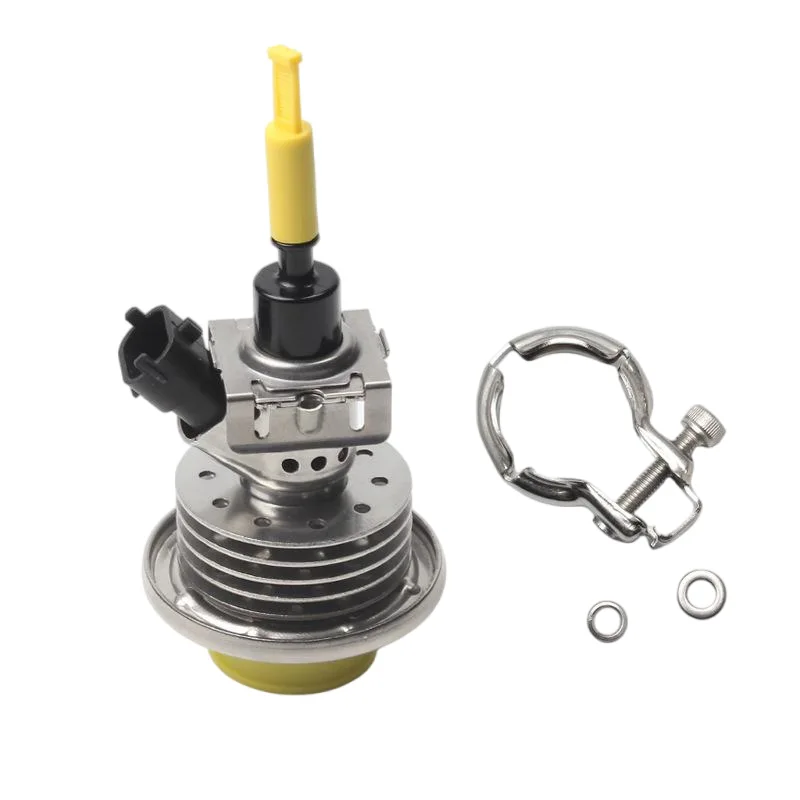
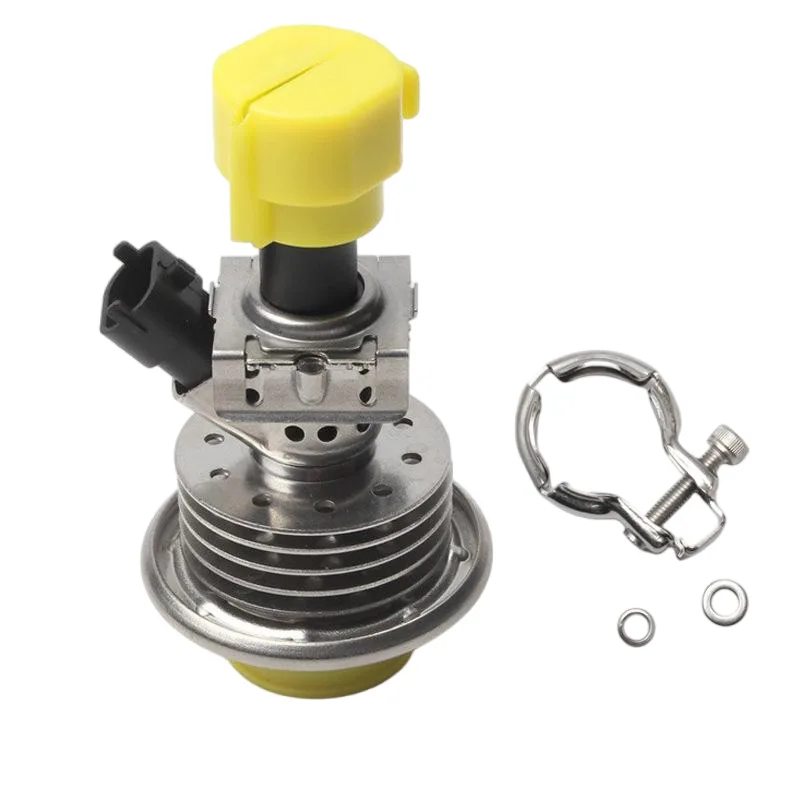
The urea level sensor is generally installed in the DEF tank, where it monitors the fluid level and communicates measurement information to the vehicle's electronic control system.
Its main functions may include the following, depending on the sensor assembly and vehicle configuration:
Fluid Level Detection
Monitors the amount of DEF remaining in the tank and provides level information to the vehicle system.
Low-Level Warning
Sends a signal when the fluid level reaches a predefined threshold, helping drivers identify when refilling is required.
Heating and Thawing
Some sensor assemblies integrate a heating function to help thaw frozen DEF in low-temperature environments.
Concentration Monitoring
Depending on the sensor configuration, it may also monitor DEF concentration and provide information about fluid conditions.
These functions help the vehicle maintain visibility of DEF availability and identify potential fluid-related issues during operation.
02
Why Is Fluid-Level Monitoring Important for SCR Systems?
An SCR system requires an adequate supply of DEF to support the reduction of NOx emissions in diesel exhaust. If the fluid level becomes too low, the system may trigger dashboard warnings and, depending on vehicle design, activate additional operating restrictions.
A functioning sensor helps the vehicle:
- Monitor DEF availability in the tank.
- Alert the driver before the fluid supply becomes insufficient.
- Provide fluid-level data to the vehicle control system.
- Support integrated heating functions where equipped.
- Identify certain fluid-related conditions when additional monitoring functions are available.
By providing timely information about the DEF supply, the sensor supports the overall monitoring of the SCR after-treatment system.
03
Common Signs of Urea Level Sensor Problems
A malfunctioning sensor may provide inaccurate information or fail to communicate correctly with the vehicle control system. Common signs may include:
| Possible Symptom | Description |
|---|---|
| Incorrect DEF Level Reading | The dashboard displays a fluid level that does not match the actual tank level. |
| Persistent Low-Level Warning | A low DEF warning remains even after the tank has been refilled. |
| No Level Display | The vehicle cannot display the DEF level correctly. |
| SCR-Related Warning | The vehicle displays a warning associated with the DEF or SCR system. |
| Abnormal Cold-Weather Operation | An integrated heating function may fail to operate properly. |
Diagnostic Note
These symptoms do not necessarily indicate a sensor failure. Wiring, electrical connections, fluid contamination, heating circuits, and other SCR components may also contribute to similar problems. Proper diagnosis is necessary before replacing any component.
04
How Does It Work with Other SCR Components?
The urea level sensor is one part of a broader DEF supply and SCR after-treatment system. It performs a different function from the AdBlue pump and AdBlue injector, but all three components contribute to the system's operation.
| SCR Component | Main Function |
|---|---|
| Urea Level Sensor | Monitors the DEF level in the tank and sends information to the vehicle control system. |
| AdBlue Pump | Delivers DEF through the supply circuit at the required pressure. |
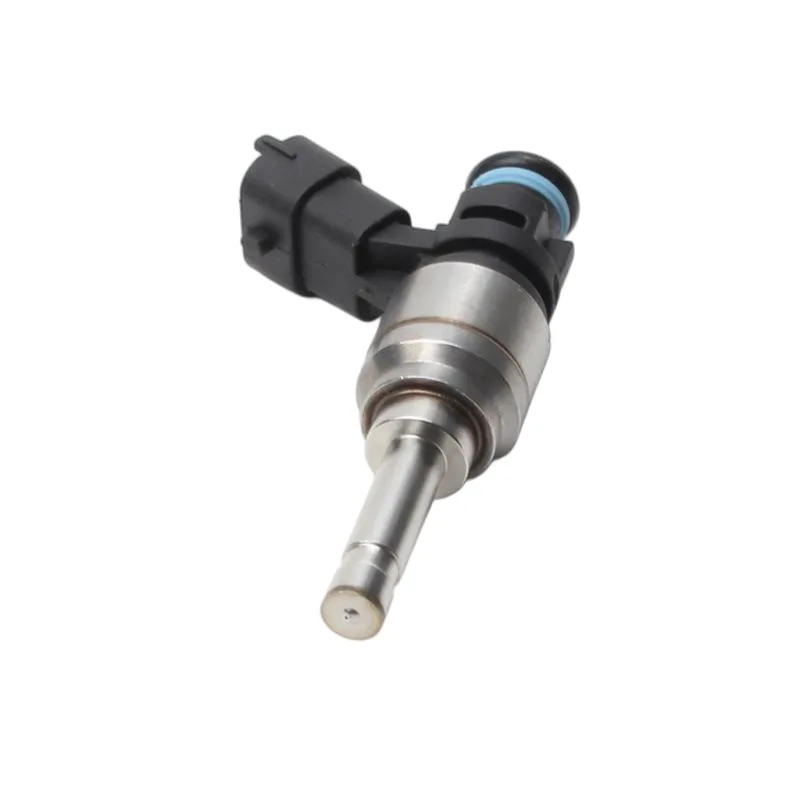
| AdBlue Injector | Meters and sprays DEF into the exhaust stream for the SCR process. |
| SCR Catalyst | Facilitates the reaction that converts NOx into nitrogen and water. |
The sensor monitors fluid availability, while the pump and injector handle fluid delivery and dosing. A problem in one component can affect SCR system operation, making it important to check the complete DEF supply and after-treatment system during troubleshooting.
05
What Should Be Checked When Selecting a Replacement?
When identifying a replacement urea level sensor, compatibility with the vehicle and DEF tank assembly is essential. Consider the following points before selecting a replacement part:
- Original Part Number: Compare the original equipment number with the replacement part information.
- Vehicle and Engine Model: Confirm the vehicle application, engine version, and SCR system configuration.
- Connector and Wiring: Check the electrical connector and wiring arrangement.
- Installation Dimensions: Verify that the sensor assembly matches the tank mounting position and dimensions.
- Integrated Functions: Check whether the original unit includes heating or concentration-monitoring functions.
Matching these details helps avoid installation incompatibility and potential communication problems.
Conclusion
A urea level sensor plays an important role in DEF supply monitoring by detecting fluid levels and communicating information to the vehicle control system. When combined with properly functioning AdBlue pumps, injectors, and other SCR components, it contributes to reliable diesel exhaust after-treatment operation.
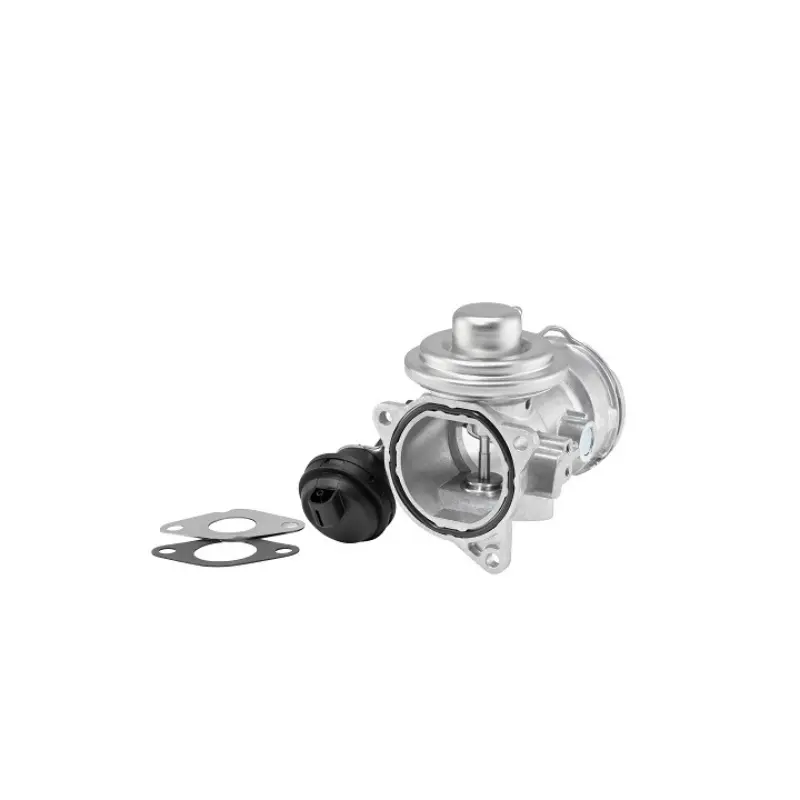
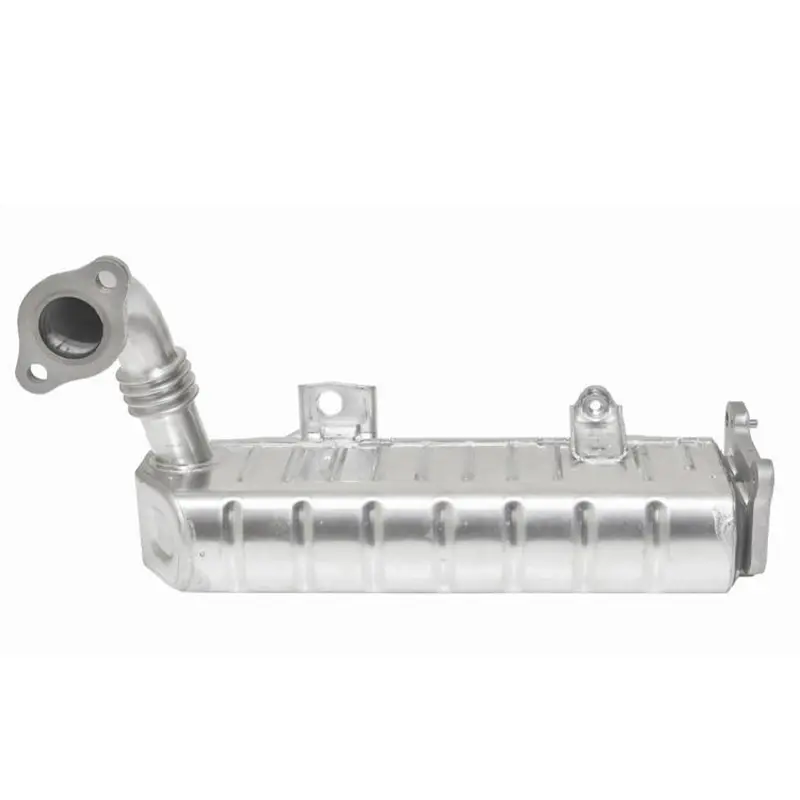
HINTL focuses on AdBlue pumps, AdBlue injectors, EGR valves, and EGR coolers for automotive emission-control applications. Understanding how related SCR components work together helps identify system issues and select suitable replacement parts.